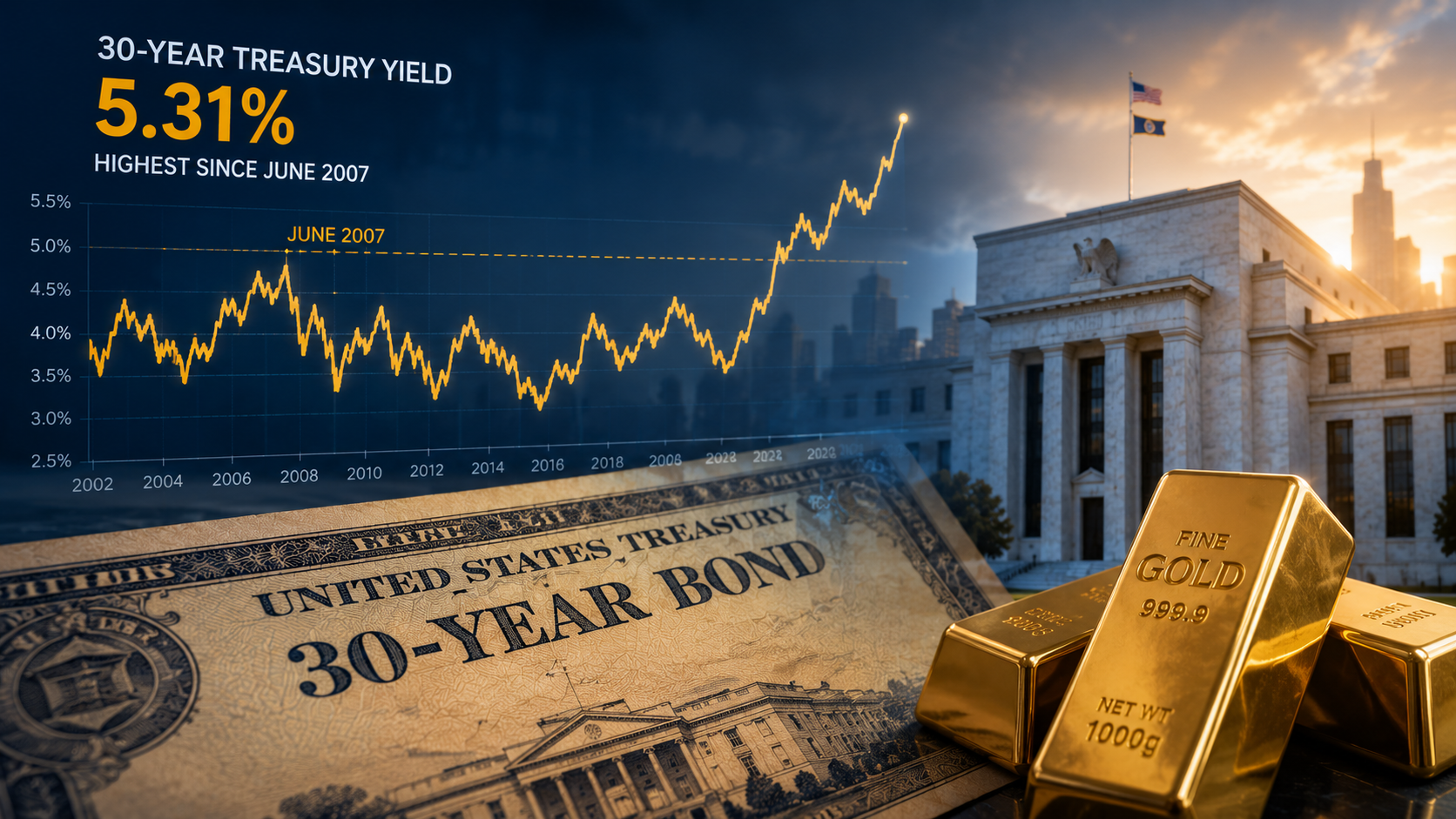
Markets have a way of reminding investors that “defense” is not a single trade. In a typical growth scare, the playbook is familiar: equities weaken, Treasury yields fall, long bonds rally, and gold benefits from the move toward safety. That has not been the pattern in late March. Instead, investors have been dealing with a more complicated backdrop, one defined by higher oil prices, firmer yields, weakness in gold, and a clear preference for cash. Brent crude was back above $100 per barrel on March 24, while gold has been one of the worst-performing major assets in March, and money market balances have climbed to record highs.
This Is Not a Normal Risk-Off Market
The key point is that markets are not simply reacting to fear. They are reacting to the type of fear. A geopolitical shock tied to energy supply does not behave like a standard recession scare. It raises the prospect of slower growth and higher inflation at the same time, which is a much more difficult mix for traditional balanced portfolios. That helps explain why some of the market’s usual safe havens have not offered the protection investors might expect. Treasuries have struggled as inflation concerns pushed yields higher, and gold has come under pressure as investors reassessed the odds of rates staying higher for longer. In this environment, the market is not reflecting stronger demand for generic safety. It is showing preference for assets that help manage inflation risk.

Source: The Federal Reserve Bank of St. Louis (FRED) as of March 23, 2026
The Problem is Not Just Fear, it is Inflation Risk
That distinction matters because the source of the stress is what is driving cross-asset behavior. The near-total shutdown of the Strait of Hormuz remains central to the market’s repricing, with about one-fifth of the world’s oil and Liquefied Natural Gas moving through that chokepoint, and analysts warning that a prolonged disruption could push prices materially higher. When investors have to consider the possibility that an energy shock feeds directly into inflation expectations, long-duration assets lose some of their normal defensive appeal. The market starts to think less about recession protection and more about stagflation risk – a mix of slow growth and high inflation.

Source: The Federal Reserve Bank of St. Louis (FRED) as of March 16, 2026
Higher Oil Has Complicated the Fed Story
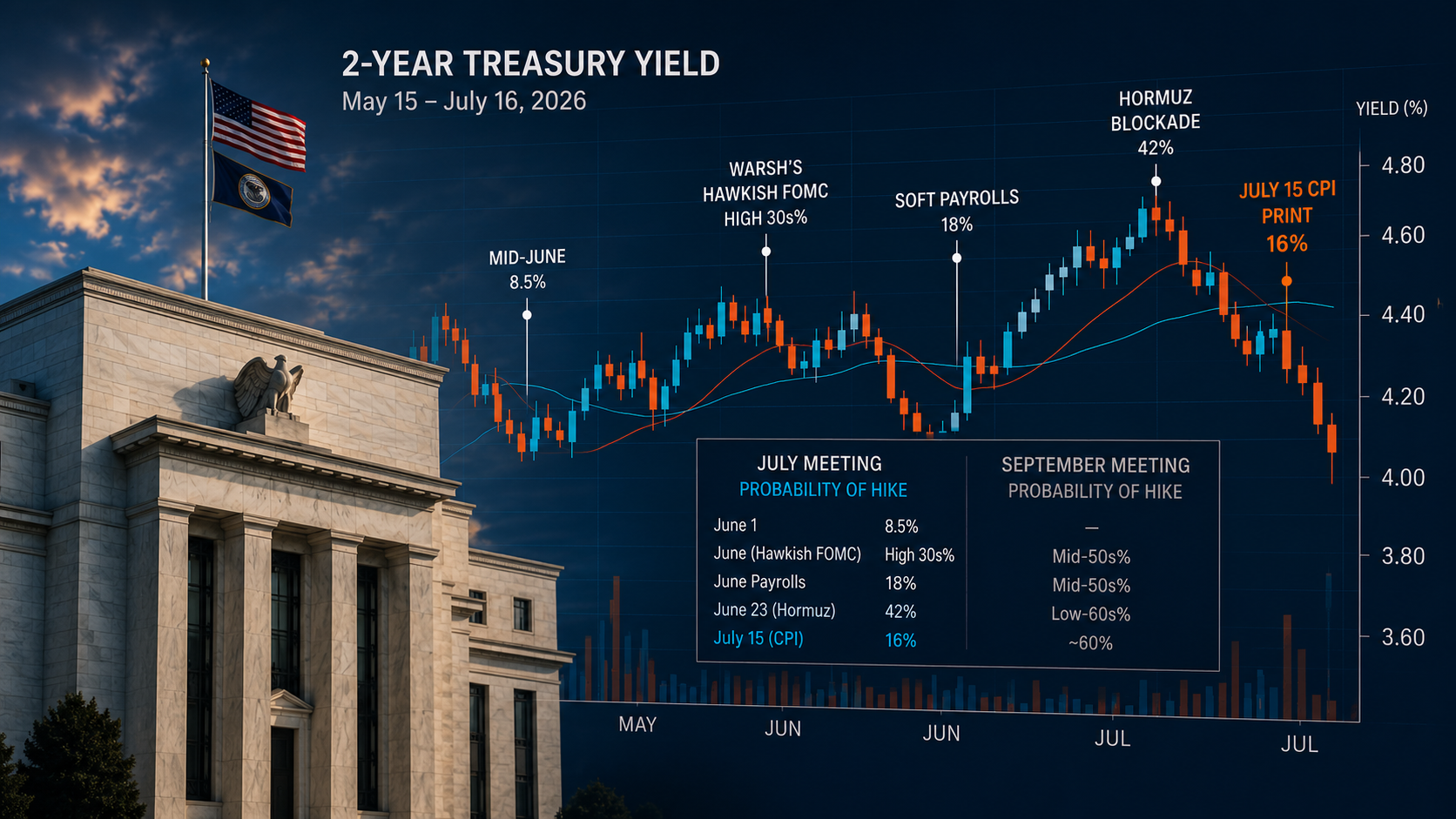
That shift has also changed the Fed’s policy discussion. Only a few weeks ago, markets were still looking for a meaningfully more supportive path from the Federal Reserve in 2026. As of February 27, CME FedWatch implied nearly an 89% probability of at least one rate cut by the September 2026 meeting, with just an 11% chance that rates would remain unchanged. By March 20, market-implied probabilities had shifted materially to roughly a 73% probability of no cuts by September and about a 27% chance of at least one hike. The issue is not simply that oil moved higher. It is that higher oil has forced investors to reconsider whether the Fed will have room to ease at all if inflation pressures begin to reaccelerate. For markets that had been leaning on easier policy as a backstop, that is a meaningful change though future policy decisions remain uncertain.

Source: CME Group as of March 24, 2026
Cash Is Benefiting by Doing Very Little
If bonds are not providing much ballast and gold is not acting like a dependable haven, it makes sense that investors have been gravitating toward cash. US money market fund assets reached a fresh record high of $7.86 trillion for the week ended March 18, underscoring the appeal of liquidity as investors navigate war-related uncertainty, rising oil prices, and the risk that inflation could stay sticky. That should not be dismissed as simple risk aversion. In an environment where both equity risk and duration risk are being questioned at the same time, cash offers something that has become increasingly valuable: yield, liquidity, and optionality without the need to make a large directional bet.

Source: Investment Company Institute (ICI) as of March 18, 2026
Safe Haven for What?
The broader takeaway is not that diversifiers no longer work. It is that their effectiveness is conditional. Long Treasuries can still be potentially useful in certain disinflationary environments, and gold can still play an important role in periods of currency stress or falling real yields. But an oil-driven inflation shock is a different problem, and recent market action suggests that not all forms of defense respond the same way to every shock. Recent market behavior highlights that defensive positioning depends on the specific risk driving markets, not on the label attached to any single asset or strategy.
XT20260326